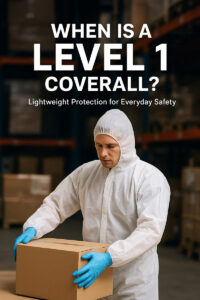

When Is a Level 1 Coverall Enough? Lightweight PPE for Everyday Safety
Discover when a Level 1 coverall is the right choice for everyday safety. Learn how lightweight protection keeps workers clean, comfortable, and safe in low-risk environments.
Discover when a Level 1 coverall is the right choice for everyday safety. Learn how lightweight protection keeps workers clean, comfortable, and safe in low-risk environments.
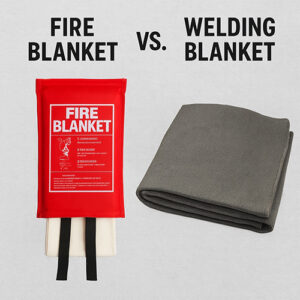
Discover the key differences and similarities between fire blankets and welding blankets. Learn which blanket suits home safety or industrial protection.

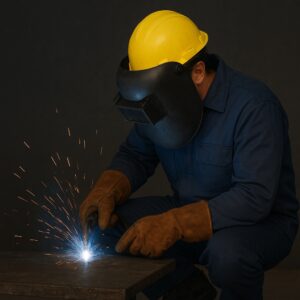
Welders face risks from sparks, heat, and fumes. The right PPE—helmets, safety glasses, respirators, flame-resistant clothing, gloves, safety boots, and hearing protection—ensures safety and prevents workplace injuries.

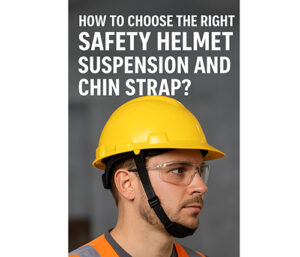
Protect your team with the right safety helmet suspension and chin strap—where comfort meets uncompromising protection.

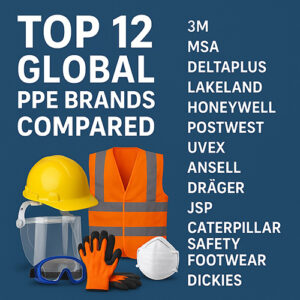
This article compares the top 12 global PPE brands—3M, MSA, DELTAPLUS, LAKELAND, HONEYWELL, POSTWEST, Uvex, Ansell, Dräger, JSP, Caterpillar Safety Footwear, and Dickies—highlighting their strengths, key products, and ideal applications. Learn which brand best suits your business needs for safety, comfort, and cost-efficiency.

Learn how anti-vibration gloves are evaluated and certified. Understand ISO 10819 standards, vibration reduction levels, and tips for choosing the right gloves for your work.

Anti-vibration gloves are essential for workers exposed to vibrating tools. Learn which industries need them most and how they protect against long-term hand injuries.

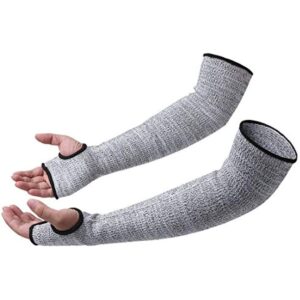
Cut-resistant sleeves are essential PPE for protecting workers’ arms from cuts and abrasions in industrial, construction, or mechanical environments. Made from materials like Kevlar, UHMWPE, or nylon blends, they provide durability, flexibility, and comfort. Choosing the right sleeve, wearing it correctly, and maintaining it properly can significantly reduce injury risks and enhance workplace safety.

This guide explores different types of safety gloves, including leather, nitrile, latex, PVC, cotton, and cut-resistant gloves. Learn how to choose gloves based on materials, functions, and workplace applications.

This blog offers a complete guide to chemical protective clothing, covering EN 943 standards, types of suits (Type 1 to Type 6), and how to choose the right protective gear based on chemical permeation resistance. It provides detailed comparisons of each suit type’s performance, helping businesses make informed decisions for employee safety. Real-world case studies and customer feedback add credibility, making this a valuable resource for professionals in industries dealing with hazardous chemicals.
From our most experienced consultants. Fill out the form below, and we will be in touch shortly.