EN 1073-2 Protective Clothing: Understanding Protection Against Radioactive Contamination
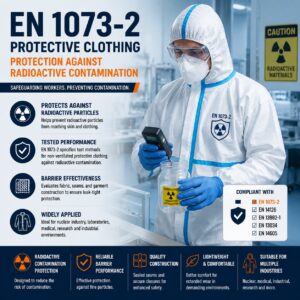
Learn what EN 1073-2 means, how radioactive contamination protective clothing works, testing requirements, applications, and PPE selection guidance.

Learn what EN 1073-2 means, how radioactive contamination protective clothing works, testing requirements, applications, and PPE selection guidance.
Learn what EN ISO 13982-1 Type 5 protective clothing means, how it protects against airborne solid particles, and how to choose the right PPE.

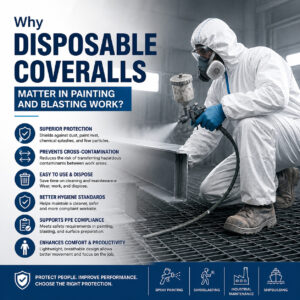
Disposable coveralls play an essential role in painting and blasting operations by protecting workers from dust, paint mist, and chemical exposure. They help reduce skin contamination, prevent cross-contamination between work areas, and improve site hygiene and efficiency. As a key PPE item in surface preparation environments, disposable coveralls support both safety compliance and smoother workflow.

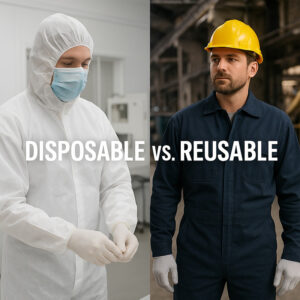
Explore the pros and cons of disposable and reusable coveralls to find the best value for your workplace protection needs across different safety levels.

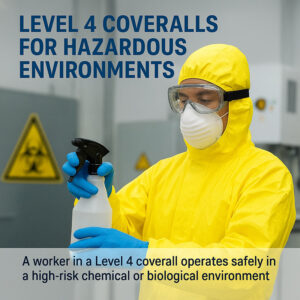
Level 4 coveralls deliver maximum protection against hazardous fluids and pathogens, offering full-body coverage for workers in the most dangerous environments.

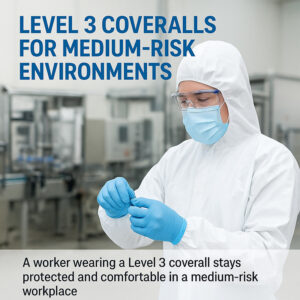
Level 3 coveralls provide balanced protection for medium-risk environments—offering superior fluid resistance, comfort, and durability for industrial and healthcare workers.

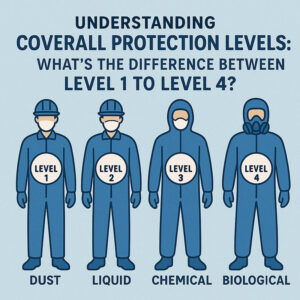
Not all coveralls provide the same level of protection. This guide explains the differences between Level 1 to Level 4 protective coveralls under the ANSI/AAMI PB70 standard — from minimal to high-level protection — and helps you choose the right one based on your work environment, exposure risks, and comfort needs.
From our most experienced consultants. Fill out the form below, and we will be in touch shortly.