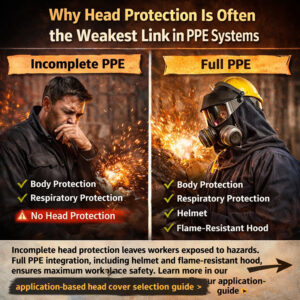
Why Head Protection Is Often the Weakest Link in PPE Systems
This article explains why head protection is often the weakest link in PPE systems and how integrating helmets, flame-resistant hoods, and respirators enhances overall industrial safety.
This article explains why head protection is often the weakest link in PPE systems and how integrating helmets, flame-resistant hoods, and respirators enhances overall industrial safety.
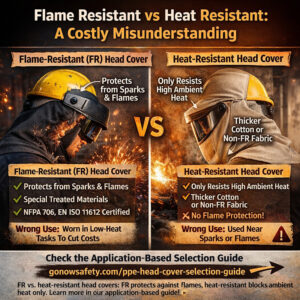
This article explains the critical differences between flame-resistant and heat-resistant head covers in high-heat industrial settings. Learn how to avoid common mistakes and choose the correct PPE for maximum workplace safety.

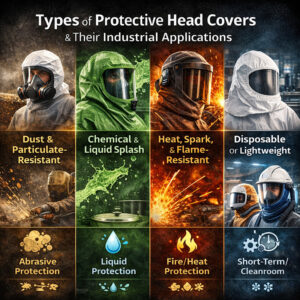
Protective head covers are designed based on specific industrial hazards, not comfort or appearance. This blog explains the main types—dust, chemical, heat, disposable, and specialized hoods—and how each protects workers in different environments. Learn how to choose the right head cover to maximize workplace safety.

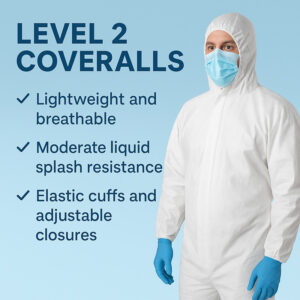
Level 2 coveralls offer balanced protection and comfort for moderate-risk environments such as healthcare, laboratories, and light industry — ideal for daily safety without compromising breathability.

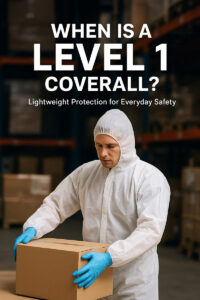
Discover when a Level 1 coverall is the right choice for everyday safety. Learn how lightweight protection keeps workers clean, comfortable, and safe in low-risk environments.

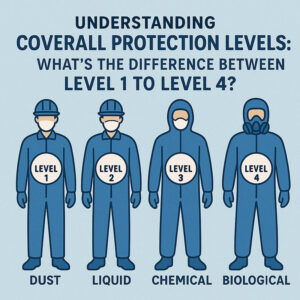
Not all coveralls provide the same level of protection. This guide explains the differences between Level 1 to Level 4 protective coveralls under the ANSI/AAMI PB70 standard — from minimal to high-level protection — and helps you choose the right one based on your work environment, exposure risks, and comfort needs.

Regular maintenance keeps your safety shoes effective, comfortable, and long-lasting. From cleaning and drying to checking for damage and replacing insoles, simple care habits can make a big difference. Protect your feet — and your investment — by keeping your PPE in top condition every day.

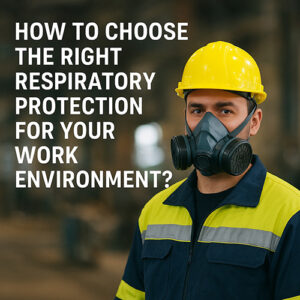
Choosing the right respiratory protection is crucial to protect workers from harmful dust, fumes, and gases. This guide explains how to select the right type of PPE for your specific work environment.

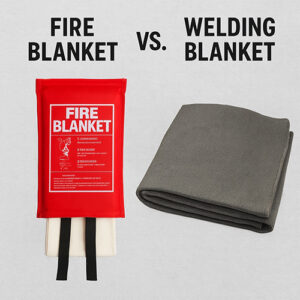
Discover the key differences and similarities between fire blankets and welding blankets. Learn which blanket suits home safety or industrial protection.

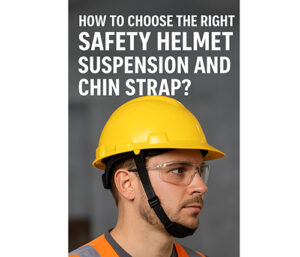
Protect your team with the right safety helmet suspension and chin strap—where comfort meets uncompromising protection.

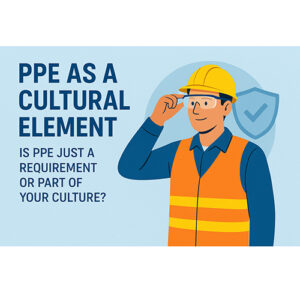
This blog explores whether PPE can go beyond compliance to become part of corporate culture. By shifting safety from a requirement to a shared value, companies can use PPE to strengthen identity, build employee pride, and showcase responsibility.

Anti-static PPE is essential for protecting workers, equipment, and workplaces from the hidden dangers of static electricity. From preventing fires and explosions in high-risk industries to safeguarding delicate electronic components, anti-static clothing, shoes, gloves, and accessories provide reliable protection. Choosing the right gear and maintaining it properly ensures safer, more efficient operations in modern workplaces.
From our most experienced consultants. Fill out the form below, and we will be in touch shortly.