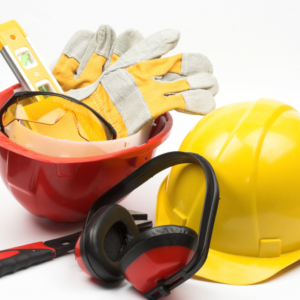
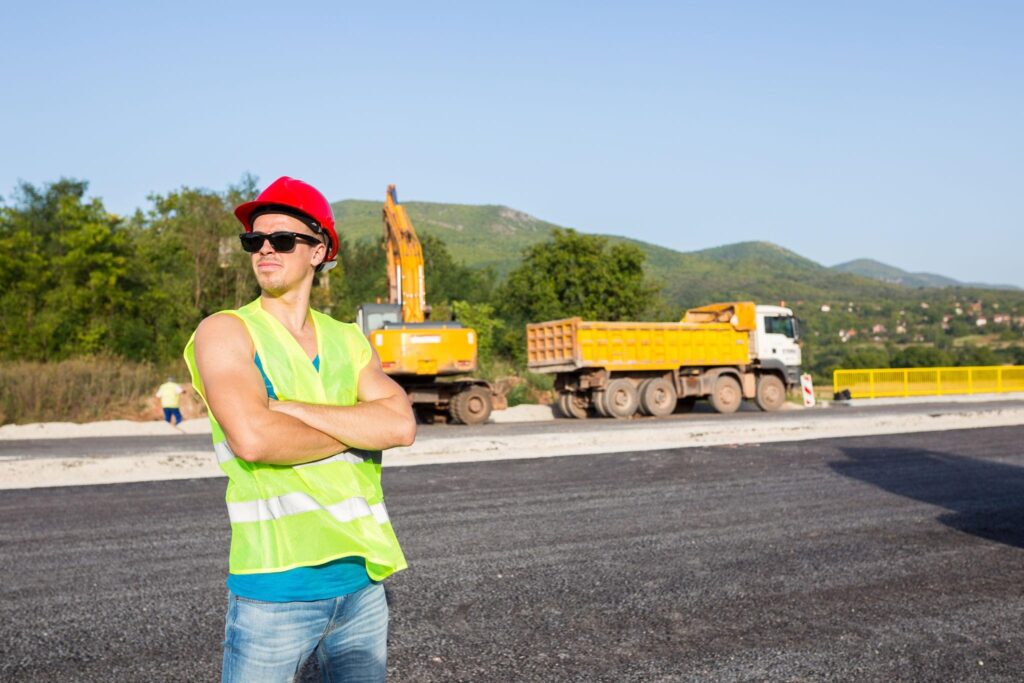
Road construction is one of the most hazardous work environments in the construction industry. Workers face moving vehicles, heavy machinery, loud noise, dust, extreme weather, and risks from falling objects or sharp materials. Proper Personal Protective Equipment (PPE) is essential for reducing injuries and ensuring a safer worksite.
This guide explains the key PPE requirements for road construction workers and how to choose the right equipment for different job tasks.
Why PPE Is Critical in Road Construction
Road construction crews work close to active traffic and powerful equipment such as rollers, excavators, asphalt pavers, and dump trucks. Common hazards include:
-
Vehicle strikes from passing traffic
-
Head injuries from falling tools or materials
-
Eye damage from dust, debris, and asphalt particles
-
Hearing loss from prolonged machinery noise
-
Respiratory irritation from dust and fumes
-
Hand and foot injuries from sharp or heavy objects
-
Heat stress and sun exposure during outdoor work
Using the correct PPE helps minimize these risks and supports compliance with workplace safety regulations.
Essential PPE for Road Construction Workers
1. High-Visibility Safety Vest

Purpose: Makes workers visible to drivers and machine operators.
Recommended features:
-
ANSI/ISEA Class 2 or Class 3 compliance
-
Fluorescent colors such as yellow or orange
-
Reflective strips visible in low light
-
Breathable fabric for hot weather conditions
Class 3 vests are recommended for workers exposed to high-speed traffic or night work.
2. Safety Helmet (Hard Hat)

Purpose: Protects against falling objects, equipment contact, and head impacts.
Recommended features:
-
ANSI Z89.1 or EN397 certification
-
Impact-resistant shell
-
Adjustable suspension for comfort
-
Chin strap for windy or elevated work areas
Replace helmets immediately after a significant impact or according to the manufacturer’s lifespan guidance.
3. Safety Glasses or Goggles

Purpose: Shields eyes from dust, flying debris, asphalt particles, and chemical splashes.
Recommended features:
-
ANSI Z87.1 certified lenses
-
Anti-fog coating for outdoor conditions
-
Wraparound design for better side protection
-
UV protection for prolonged sun exposure
Use sealed goggles when working in heavy dust or asphalt milling operations.
4. Hearing Protection

Purpose: Reduces noise exposure from heavy machinery, jackhammers, and traffic.
Options:
-
Foam earplugs
-
Reusable earplugs
-
Earmuffs with high noise reduction rating (NRR)
Hearing protection is essential when noise levels exceed 85 dB over an 8-hour shift.
5. Work Gloves

Purpose: Protects hands from cuts, abrasions, heat, and vibration.
Recommended types:
-
Cut-resistant gloves for handling metal or sharp materials
-
Heat-resistant gloves for asphalt work
-
Grip-enhanced gloves for tool handling
Choose gloves that balance protection with dexterity.
6. Safety Boots

Purpose: Protects feet from heavy objects, punctures, slips, and uneven terrain.
Recommended features:
-
Steel toe or composite toe protection
-
Puncture-resistant sole
-
Slip-resistant outsole
-
Water-resistant or waterproof construction
-
Ankle support for rough surfaces
Footwear should comply with ASTM F2413 or EN ISO 20345 standards.
7. Respiratory Protection

Purpose: Protects against dust, silica particles, fumes, and asphalt emissions.
Recommended options:
-
N95 or FFP2 disposable respirators for dust control
-
Half-face respirators with appropriate filters for higher exposure levels
Respiratory protection is especially important during cutting, grinding, milling, or work in confined spaces.
8. Sun and Heat Protection

Purpose: Reduces the risk of heat stress, dehydration, and sunburn during outdoor work.
Recommended measures:
-
Lightweight, breathable long-sleeve clothing
-
Neck shade attachments for hard hats
-
Sunscreen with SPF 30+
-
Cooling towels or cooling vests in extreme heat
-
Regular hydration breaks
Heat-related illnesses can develop quickly, so supervisors should monitor workers for symptoms such as dizziness, confusion, or excessive fatigue.
PPE Checklist for Road Construction Workers
|
PPE Item |
Main Hazard Addressed |
|---|---|
|
High-visibility vest |
Traffic and vehicle strikes |
|
Safety helmet |
Head impacts and falling objects |
|
Safety glasses/goggles |
Dust and flying debris |
|
Hearing protection |
Excessive noise exposure |
|
Work gloves |
Cuts, abrasions, and heat |
|
Safety boots |
Foot injuries and slips |
|
Respirator or dust mask |
Dust and fumes |
|
Sun and heat protection |
Heat stress and UV exposure |
Best Practices for PPE Use
-
Conduct a hazard assessment: Identify site-specific risks before selecting PPE.
-
Provide proper training: Workers should know how to wear, adjust, inspect, and maintain their PPE.
-
Inspect PPE regularly: Replace damaged or worn equipment immediately.
-
Ensure correct fit: Ill-fitting PPE can reduce protection and comfort.
-
Combine PPE with other controls: Traffic barriers, signage, dust suppression, and safe work procedures are also essential.
How GONOW SAFETY Supports Road Construction Safety
GONOW SAFETY provides a complete range of PPE solutions for road construction environments, including:
-
ANSI-compliant high-visibility safety vests
-
Durable safety helmets for impact protection
-
Protective eyewear for dust and debris hazards
-
Hearing protection for high-noise worksites
-
Cut-resistant and heat-resistant gloves
-
Safety footwear designed for construction terrain
-
Respiratory protection for dust and fume control
Our PPE is designed to meet international safety standards while providing comfort and durability for demanding outdoor work.
Conclusion
Road construction workers face multiple hazards every day, but the right PPE significantly reduces the risk of injury. A complete protection system should include high-visibility clothing, head protection, eye and hearing protection, gloves, safety boots, respiratory protection, and heat-stress prevention measures.
By combining quality PPE with proper training and safe work practices, construction companies can create a safer and more productive jobsite.