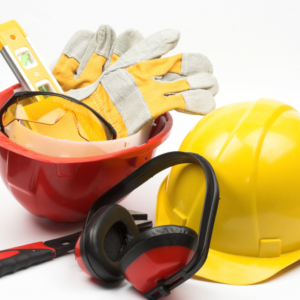

Construction sites remain one of the highest-risk work environments worldwide. Despite clear regulations and widespread use of personal protective equipment (PPE), accidents caused by PPE failures continue to occur. In many cases, the issue is not the absence of PPE, but incorrect selection, improper use, or inadequate management.
Understanding why PPE fails on construction sites—and how those failures can be prevented—is critical for safety managers, contractors, and PPE buyers. This article examines common PPE failure scenarios, the underlying causes, and the practical lessons learned to improve site safety and compliance.
Common PPE Failures on Construction Sites
1. Incorrect PPE Selection for the Task
One of the most frequent failures is selecting PPE that does not match the actual hazards on site.
Examples include:
-
Using basic safety helmets where impact or electrical risks require higher-rated protection
-
Wearing cut-resistant gloves with insufficient protection levels
-
Using standard safety footwear in environments requiring slip-resistant or puncture-resistant soles
Lesson learned: PPE selection must be based on a documented hazard assessment, not general assumptions.
2. Poor Fit and Inadequate Sizing
Ill-fitting PPE significantly reduces its protective effectiveness. Oversized gloves reduce grip control, loose helmets shift during impact, and improperly fitted harnesses fail to distribute load correctly.
Common causes:
-
Limited size ranges
-
One-size-fits-all purchasing decisions
-
Lack of user fitting checks
Lesson learned: Proper fit is a critical component of PPE compliance and performance.
3. Degraded or Worn-Out PPE
Construction environments accelerate PPE wear due to:
-
Abrasion and impact
-
Exposure to dust, oils, chemicals, and UV radiation
-
Frequent washing or improper storage
Using damaged helmets, worn gloves, or faded high-visibility clothing increases accident risk.
Lesson learned: PPE inspection and replacement schedules are as important as initial certification.
4. Improper Use or Non-Compliance by Workers
Even compliant PPE fails when it is not used correctly. Examples include:
-
Chin straps left unfastened
-
Safety glasses worn on helmets instead of eyes
-
High-visibility vests removed for comfort
These behaviors often stem from discomfort, lack of training, or poor safety culture.
Lesson learned: Training and comfort-driven PPE design directly influence compliance.
5. Lack of Compatibility Between PPE Items
Construction workers typically wear multiple PPE items simultaneously. Compatibility issues can create gaps in protection, such as:
-
Safety glasses interfering with respirators
-
Hearing protection conflicting with helmets
-
Harnesses obstructed by bulky clothing
Lesson learned: PPE systems should be evaluated as a complete ensemble, not as individual products.
Regulatory and Compliance Implications
PPE failures can expose employers and contractors to:
-
OSHA citations or EU market surveillance actions
-
Project delays and financial penalties
-
Increased liability following accidents
Regulations consistently require employers to ensure PPE is:
-
Suitable for the risks involved
-
Properly maintained
-
Correctly used by workers
Failure in any of these areas may be considered non-compliance.
How to Prevent PPE Failures on Construction Sites
1. Conduct Task-Specific Hazard Assessments
Each task should be evaluated independently, with PPE selected based on real exposure risks rather than generic site rules.
2. Prioritize Certified and Standards-Compliant PPE
Ensure PPE meets applicable standards such as:
-
EN standards for the EU
-
ANSI standards for North America
Certification alone is not enough—products must also be suitable for site conditions.
3. Implement Fit Testing and User Feedback
Involving workers in PPE selection improves comfort, acceptance, and real-world effectiveness.
4. Establish Inspection and Replacement Programs
Regular inspections help identify damaged or degraded PPE before failures occur.
5. Work with Reliable PPE Suppliers
Consistent quality, clear documentation, and technical support reduce long-term compliance risks.
How GONOW SAFETY Supports Construction Site Safety
At GONOW SAFETY, we focus on delivering PPE solutions designed for demanding construction environments. Our approach emphasizes:
-
Compliance with recognized safety standards
-
Practical usability and worker comfort
-
Consistent quality and traceability
By addressing both regulatory requirements and real-world conditions, we help reduce PPE-related failures on site.
Conclusion
PPE failures on construction sites are rarely caused by a single factor. They are usually the result of poor selection, inadequate fit, insufficient maintenance, or lack of training. Learning from these failures allows employers and safety professionals to strengthen their PPE programs and reduce preventable accidents.
Effective PPE is not just about compliance—it is about ensuring that protection works when it matters most.
Looking to Improve Your PPE Program?
GONOW SAFETY supports construction professionals with compliant, reliable PPE solutions tailored to real site conditions.