

Tag: Industrial PPE

Infographic comparing FFP1, FFP2, and FFP3 masks, showing filtration efficiency, protection levels, typical applications, and guidance for selecting the appropriate disposable respirator for industrial workplaces.
PPE Guide
CHRIS

FFP1 vs FFP2 vs FFP3 Masks: Which Respirator Should You Choose?

Choosing the right FFP respirator depends on the type of workplace hazard and the required level of protection. This guide compares FFP1, FFP2, and FFP3 masks, explaining their filtration performance, typical applications, and how to select the appropriate disposable respirator for construction, manufacturing, chemical processing, and other industrial environments.
Read More »
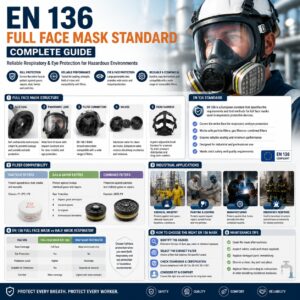
Infographic of an EN 136 full face respirator showing the mask structure, filter compatibility, respiratory and eye protection features, and applications in chemical, manufacturing, painting, and emergency response industries.
PPE Guide
CHRIS

EN 136 Full Face Mask Standard: Complete Guide

EN 136 is the European standard for full face respirators used in respiratory protective equipment. This guide explains the EN 136 standard, mask structure, filter compatibility, and key industrial applications, helping businesses choose the right full face respirator for protection against hazardous gases, vapors, dust, and airborne particles.

Read More »
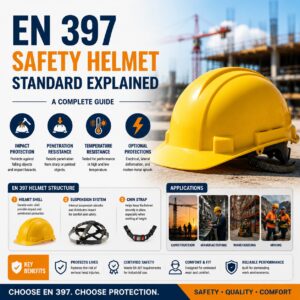
Infographic of the EN 397 safety helmet standard featuring an industrial hard hat, key protection requirements, helmet structure, and applications in construction, manufacturing, warehousing, and mining.
PPE Guide
CHRIS

EN 397 Safety Helmet Standard Explained: A Complete Guide

EN 397 is the European standard for industrial safety helmets, defining requirements for impact protection, penetration resistance, and optional performance features such as temperature and electrical resistance. This guide explains the EN 397 standard, helmet structure, key protection features, and how to choose the right certified safety helmet for construction, manufacturing, warehousing, mining, and other industrial workplaces.

Read More »
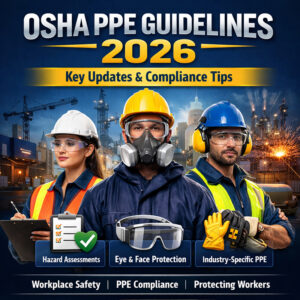
Workers wearing compliant personal protective equipment under OSHA PPE guidelines 2026, showing hazard assessment, eye and face protection, and industry-specific PPE
PPE Guide
CHRIS

OSHA PPE Guidelines 2026: What Has Changed

Learn about the latest OSHA PPE guidelines for 2026, including hazard assessments, glove selection, eye and respiratory protection, and recordkeeping requirements to stay compliant and ensure workplace safety.

Read More »
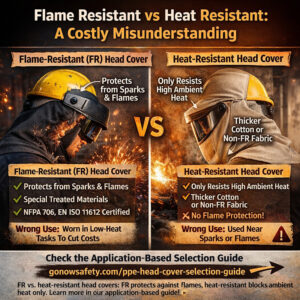
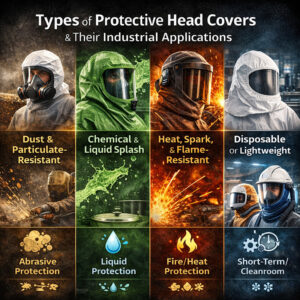
ive types of industrial protective head covers: dust/particulate-resistant, chemical/liquid splash, heat/spark/flame-resistant, disposable/lightweight, and specialized. Each type is represented with a simple icon showing its hazard protection.
Purchase Guide
CHRIS

Protective Head Covers: Types and Their Industrial Applications

Protective head covers are designed based on specific industrial hazards, not comfort or appearance. This blog explains the main types—dust, chemical, heat, disposable, and specialized hoods—and how each protects workers in different environments. Learn how to choose the right head cover to maximize workplace safety.

Read More »
PPE Guide
CHRIS

Why Is Anti-Static PPE Essential in Modern Workplaces?

Anti-static PPE is essential for protecting workers, equipment, and workplaces from the hidden dangers of static electricity. From preventing fires and explosions in high-risk industries to safeguarding delicate electronic components, anti-static clothing, shoes, gloves, and accessories provide reliable protection. Choosing the right gear and maintaining it properly ensures safer, more efficient operations in modern workplaces.

Read More »

Get a Quick Quote

From our most experienced consultants.  Fill out the form below, and we will be in touch shortly.