
1. Why Cost Matters in South America
In many South American markets, PPE purchasing decisions are highly cost-sensitive. Contractors and distributors often need to balance tight project budgets with safety requirements.
However, choosing PPE based on price alone can lead to:
- Higher replacement frequency
- Increased accident risk
- Hidden long-term costs
Affordable PPE should not mean compromising on safety—it should mean achieving the best value for the investment.
2. Minimum Safety Standards You Should Never Ignore
No matter the budget, PPE must meet basic safety requirements.
For example:
- Electrical PPE should align with standards like NFPA 70E
- General workplace PPE should follow regulations such as Occupational Safety and Health Administration (OSHA)
Products that do not meet recognized standards may appear cheaper upfront but can create serious risks and liabilities.
3. Key PPE Selection Factors
When selecting affordable PPE, focus on value rather than just price.
1. Certification
Ensure products are tested and compliant with relevant safety standards.
2. Durability
Longer-lasting PPE reduces replacement frequency and overall cost.
3. Comfort
Comfortable PPE improves worker compliance and productivity.
4. Application Fit
Choose PPE based on specific job requirements, not generic use.
5. Climate Suitability
In hot regions, lightweight and breathable materials are essential to ensure workers actually wear the equipment.
4. How to Avoid Low-Quality PPE
Low-cost PPE often comes with hidden risks.
Warning Signs:
- No certification or unclear labeling
- Inconsistent material quality
- Poor stitching or weak structure
- Unreliable suppliers
What to Do Instead:
- Request product specifications and test reports
- Ask for samples before placing bulk orders
- Verify supplier experience in industrial PPE
Cutting corners on PPE quality can lead to higher long-term costs and safety incidents.
5. Balancing Price and Protection
The goal is not to find the cheapest PPE, but the most cost-effective solution.
Smart Cost Strategies:
- Combine different PPE levels based on job roles
- Use layering instead of over-specifying single items
- Optimize packaging and shipping to reduce logistics cost
- Standardize PPE across teams to improve purchasing efficiency
A slightly higher upfront investment can significantly reduce replacement and accident-related costs.
6. Supplier Selection Tips
Choosing the right supplier is just as important as choosing the right product.
Look for suppliers who:
- Offer consistent product quality
- Provide flexible pricing for bulk orders
- Understand international safety standards
- Can support with product recommendations
- Provide sample support
A reliable supplier helps you reduce risk, control cost, and simplify procurement.
7. Conclusion
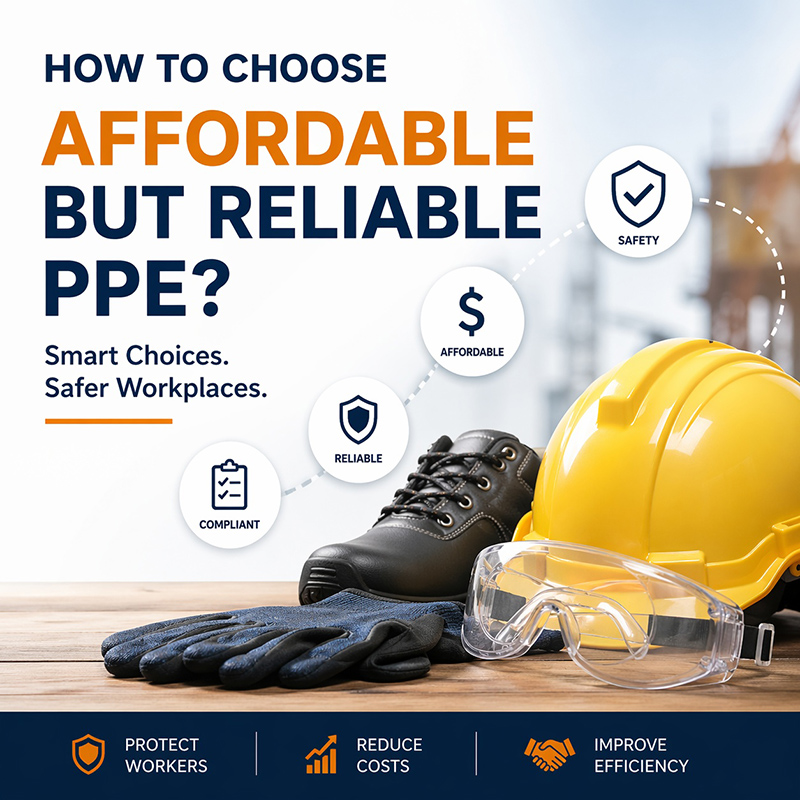
Affordable PPE is about making smart decisions—not just cheap purchases. By focusing on compliance, durability, and supplier reliability, businesses can achieve both cost efficiency and workplace safety.
The right PPE strategy protects workers while keeping projects within budget.
CTA
We provide cost-effective PPE solutions for industrial projects. Contact us for pricing.